Butterfly Weed
Grow and Care, Asclepias tuberosa
This is a comprehensive video on how to Grow Butterfly Weed. This is not a Florida location so results in The Villages will probably be different.
Topics covered include:
- What is Butterfly Weed?
- Benefits of Butterfly Weed
- Butterflyweed growing conditions and care
- How to germinate Butterfly Weed Seed
- Wildlife Attracted to Butterfly Weed
- Garden Uses of Butterfly Weed.
Native Milkweeds for Monarchs
by  Jean Vasicek, Sumter County Master Gardener Volunteer
Why not have a busy garden full of activity by butterflies, birds, and bees rather than a static landscape? Encourage earthworms for healthy soil, bees for healthy flowers, and beautiful butterflies to keep the cycle going. A healthy garden is an active garden.
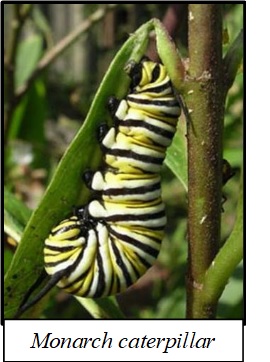 If you want to attract monarch butterflies, invite the caterpillars by planting the correct milkweed. Milkweed is the poster plant for pollinator gardens. Not only is it attractive, it is an important nectar source for bees and other insects. Monarch caterpillars feed exclusively on the leaves of milkweed which is the only host plant for this iconic butterfly species. It is also the host plant for the beautiful and similar queen butterfly. Milkweed has a white milky sap and thus the name. Florida has 21 species of native Asclepia, the botanical name for milkweed, but many are difficult and slow to grow with only a few well-suited for home gardens.
Although there is some controversy on the subject of native milkweed vs. tropical milkweed, most scientists recommend planting only native species of milkweed. There are three species of native milkweed that have particularly wide ranges and are good choices in most regions:
 Butterfly weed (Asclepias tuberosa) is one of the most available and popular native species of milkweed. It sports attractive, bright blooms and is very hardy. For these reasons, it is frequently stocked in nurseries around the state. From late summer through early fall it produces orange or yellow flowers. Butterfly weed’s vibrant colors make it attractive to a number of pollinators.
- Swamp milkweed (Asclepias incarnata) is a pink-blooming native that gets huge! It grows 4-6 feet tall, providing the most amount of food of the native milkweeds for the caterpillars of the monarch and queen butterflies. The plant regenerates eaten leaves quickly during the growing season. It has a short season of bloom in late summer which provides nectar-rich blooms for adult butterflies and other pollinators. It grows best in full sun with moist to wet soils rich in organic matter. This species will be hardy in most landscapes.
- Aquatic milkweed (Asclepias perennis) usually grows 12-24 inches tall, continually sending up stalks topped with white blooms that often have a pink blush. It grows best in full sun with moist to wet soils. This species is adaptable to quite a bit of shade and also average moisture and clay soils. The leaves provide substantial larval food for monarch and queen butterflies, and the constant flowers attract lots of adult butterflies as well as many other pollinators.
These are highly ornamental and available at native plant nurseries. If you can’t find them, I suggest to both native and local plant nurseries that they stock them. The rewards make looking for native milkweed species well worth the search.
There is mounting evidence that tropical milkweed (Asclepias curassavica) disrupts the natural life cycle of the butterfly. This is the milkweed most widely available at local plant nurseries. Please do not plant tropical milkweed. Although the butterflies may not die in your yard, your neighbors may be the recipients of the corpse! It is better to be without milkweed than to grow the tropical milkweed plant. While it may feed your caterpillars in the short term, it is harmful to the species as a whole in the long term.
Before buying a milkweed plant, check the label for the scientific name to be sure you are buying a native milkweed species. Some growers will label plants as “naturalized” or “native” but this is not correct so don’t be fooled. Be sure to carefully read the label.
Planting and Care
Most native species prefer full sun, dry, sandy soil, and are moderately drought tolerant. They generally grow quickly, reaching a final height of one to four feet tall, depending on the species. Plant them closely, about 18-24 inches apart. Be certain to plant multiple plants to supply enough food for the hungry caterpillars. You might want to plant milkweed behind ground covers or mounding plants to hide the bare stems resulting from the dining caterpillars.
Monarch caterpillars can consume a plant's leaves rapidly but the plant usually recovers quickly. Aphids can also cause damage but keep them in check with a blast of water from the hose instead of applying pesticides. Note that larger plants will have the best chance of success once exposed to the caterpillars. Homeowners with screen enclosures can shelter smaller plants until they are large enough to plant in the landscape where they will soon start ringing the dinner bell.
UF/IFAS offers the following suggestions to minimize the damage that tropical milkweed can cause:
Grow tropical weed from seeds or cuttings as commercially sold plants are often tainted with lethal pesticides. The tropical milkweed should be cut back to the ground during the winter months, NO MATTER WHAT. Be responsible!
You can find more information on native and tropical milkweed species on these sites:
UF/IFAS: FPS050/FP050: Asclepias tuberosa Butterfly Weed, Indian Paintbrush (ufl.edu)
Xerces Society: Monarch Butterfly Conservation | Xerces Society
Photos courtesy of UF/IFAS
This article appears in the August 2021, Sumter County Master Gardener's Journal
Related Links
-
Milkweed: Toxic Wasteland or Valuable Real Estate?
Information about other insects that use milkweed. - Butterflies and Other Wildlife